
How does shipping from Europe to Chile actually work?
Shipping from Europe to Chile moves through two main channels: consolidated sea freight (LCL) from hub ports like Hamburg or Rotterdam into San Antonio or Valparaíso, and dedicated air cargo routes that increasingly connect directly into northern Chile. Which one fits your shipment depends on cargo type, volume, and how urgently it needs to arrive.
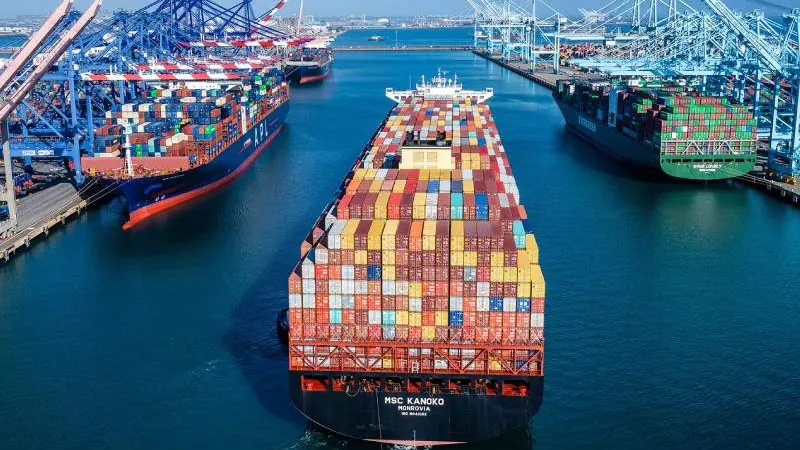
Several European carriers and forwarders run scheduled consolidation services out of Hamburg that gather cargo from Germany, Belgium, Denmark, and Poland before departing for Chile. On the air side, carriers have added freighter capacity between European hubs like Frankfurt and northern Chilean cities, largely to serve mining-related supply chains. For a buyer or supplier evaluating options, the practical question isn't which mode exists — both do — it's which one matches the shipment's value, weight, and deadline.
Sea freight: LCL vs. full containers
Most shipments from Europe to Chile that aren't large enough to fill a container move as LCL (less than container load), consolidated with other cargo at a European warehouse before the vessel departs. Transit time on these routes typically runs four to six weeks door-to-door, depending on the consolidation schedule and whether the vessel calls directly at a Chilean port or transships through another hub. For larger volumes, booking a full 40-foot container avoids the wait for consolidation and gives a more predictable sailing date.
Either way, the shipment needs a commercial invoice, a packing list, and a bill of lading matching the agreed Incoterm before it can clear customs on arrival in Chile.
Air freight: faster, but priced by weight and urgency
Air cargo between Europe and Chile has grown on routes tied to specific industries — mining equipment parts into northern Chile are a clear example — but it's also the default choice for smaller, time-sensitive shipments such as machinery parts, pharmaceuticals, or sample orders. Transit runs one to three days in the air, though total door-to-door time including customs and last-mile delivery is usually closer to a week. The trade-off is cost: air freight is priced per kilo and is typically several times more expensive than sea freight for the same volume, so it tends to make sense only when the shipment is light, high-value, or time-critical.
Customs clearance in Chile: what EU shippers often miss
A common misconception among European shippers is that trade-bloc rules that simplify intra-EU shipping also apply to Chile. They don't: every shipment from Europe into Chile goes through standard import customs clearance, regardless of how it was handled on departure within Europe. That means a customs broker in Chile must file the import declaration, and duties plus 19% VAT apply based on the CIF value, adjusted by any preferential tariff under the EU-Chile trade agreement where the product qualifies.
Shipments that arrive without a complete set of documents — commercial invoice, packing list, and certificate of origin when claiming preferential tariffs — are the most common cause of delay and storage charges at the Chilean port.
Choosing between a direct service and a consolidator
Buyers sourcing from multiple European suppliers often benefit from consolidating several purchase orders into a single shipment before it crosses the Atlantic, rather than paying separate freight and customs costs for each one. A freight forwarder based in Chile can coordinate pickup from multiple European suppliers, consolidate the cargo at origin, and manage customs clearance on arrival as a single, predictable process.
Frequently asked questions
How long does shipping from Europe to Chile take by sea?
Typically four to six weeks door-to-door for consolidated LCL cargo, depending on the routing and whether the vessel transships through another port before reaching Chile.
Is air freight worth it for shipments from Europe to Chile?
Usually only for shipments that are light relative to their value or that can't wait weeks for sea freight — otherwise the per-kilo cost makes sea freight the more economical choice.
Do I need a customs broker in Chile if I already cleared customs in Europe?
Yes. Chilean import clearance is independent of anything done on the European side; a licensed customs broker in Chile must file the import declaration regardless.
If you're sourcing from suppliers in Europe and want a single point of contact for freight and customs clearance in Chile, get in touch with our team for a quote based on your actual shipment.
Shipping to or from Chile?
Free quote, no commitment · We reply within 24 business hours