
FCL or LCL to Chile? The Short Answer
Choose FCL (Full Container Load) when your cargo fills roughly 60% or more of a 20- or 40-foot container; choose LCL (Less than Container Load) when it does not, since you only pay for the space you actually use. The right call changes the per-unit cost, the transit time, and the paperwork you will handle once the shipment reaches a Chilean port.
What Segucargo does: we book both FCL and LCL ocean freight into San Antonio, Valparaíso and Iquique, consolidate LCL cargo at origin so small shipments still move on a fixed schedule, and handle customs clearance on arrival. Quotes for either option are usually ready within 24 hours. Request a quote and tell us your cargo volume — we will tell you which option is cheaper for your specific shipment.
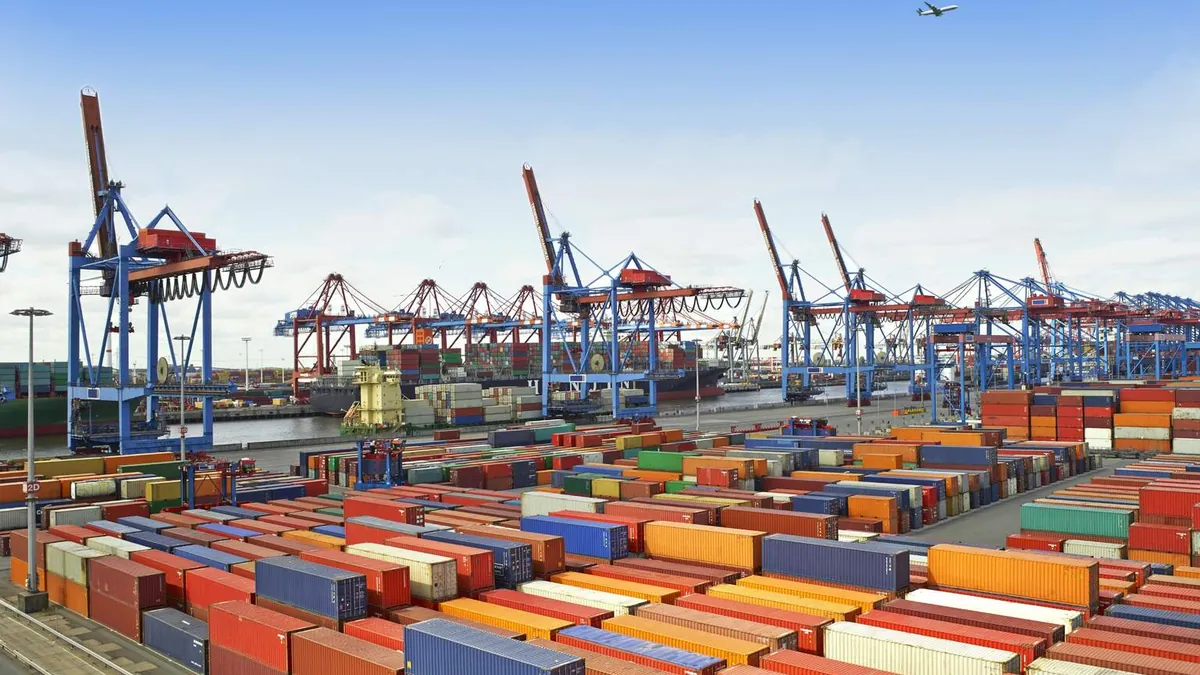
Below is what actually drives that decision, with a worked cost example and the cases where each option wins.
What FCL and LCL Actually Mean
FCL means your company books an entire container — 20-foot (about 33 CBM usable) or 40-foot (about 67 CBM usable) — regardless of whether you fill it completely. The container is sealed at origin and opened only at your warehouse or at customs inspection in Chile. Nobody else's cargo shares the box.
LCL means a freight forwarder combines your cargo with shipments from other importers inside one shared container, and you pay by cubic meter (CBM) or by weight, whichever is higher. The forwarder deconsolidates the container once it clears customs in Chile and distributes each importer's cargo separately.
Both options use the same vessels and the same shipping lines. The difference is entirely in how the container space is sold and billed.
How the Costs Compare: A Worked Example
Say you need to ship 8 CBM of general cargo from a supplier in Asia to Chile.
- LCL: at a typical rate of USD 90–140 per CBM for Asia–Chile routes, 8 CBM costs roughly USD 720–1,120 in ocean freight, plus LCL-specific handling charges (CFS fee, documentation) at destination.
- FCL (20-foot): a 20-foot container on the same route typically costs USD 1,400–2,200 flat, regardless of whether you ship 8 CBM or 28 CBM inside it.
At 8 CBM, LCL is almost always cheaper. The crossover point — where booking a full 20-foot container costs less per CBM than paying LCL rates — usually falls between 12 and 16 CBM, depending on the current freight rate and the LCL handling fees your forwarder charges. Below that volume, LCL wins; above it, FCL wins, and the cost advantage grows the closer you get to filling the container.
This is also why a rate sheet alone does not answer the question: you need your actual cargo volume (in CBM, see our cubic meter calculator) compared against current FCL and LCL pricing for your specific origin.
When FCL Makes More Sense Than LCL
Beyond the pure cost crossover, FCL is usually the better choice when:
- Your cargo is fragile, high-value, or sensitive to handling — fewer touches mean less damage risk, since the container is not opened until it reaches you.
- You need a firmer transit schedule. LCL cargo waits for a container to consolidate at origin, which can add several days before the vessel even departs.
- You are shipping on a recurring basis and can plan volumes to fill a container consistently, which also improves your Incoterms negotiating position with suppliers.
LCL tends to be the better choice when you are testing a new supplier or product line with smaller volumes, when you need to combine cargo from more than one supplier into a single shipment, or when cash flow matters more than per-unit cost and you would rather not pay for unused container space.
What a Freight Forwarder Adds to the Decision
A freight forwarder in Chile does three things a direct carrier booking does not: it quotes both FCL and LCL side by side so you can compare the real crossover point for your cargo, it handles consolidation and deconsolidation for LCL shipments so you are not managing that logistics yourself, and it coordinates customs clearance and the duties and taxes calculation on arrival so the total landed cost — not just the freight line — is what you are actually comparing between options.
This matters because the cheaper freight rate on paper is not always the cheaper total shipment. LCL handling fees at a Chilean port can offset part of the per-CBM savings on small shipments, and a forwarder who quotes the full door-to-door cost will show you that before you commit.
FAQ
Is LCL slower than FCL to Chile?
Usually yes, by a few days to a couple of weeks, because LCL cargo waits to be consolidated with other shipments at the origin warehouse before the container is sealed and loaded. FCL cargo ships as soon as your own container is ready.
Can I switch from LCL to FCL partway through a shipment?
Not after the cargo has been booked and consolidated, but your forwarder can quote both options before booking so you choose the right one upfront based on your actual volume.
Does LCL cost more per unit once customs fees are included?
It can. LCL shipments typically carry a Container Freight Station (CFS) fee for deconsolidation that FCL shipments do not, so always compare the total door-to-door quote, not just the freight rate per CBM.
What size shipment is the break-even point between FCL and LCL?
For most Asia–Chile and Europe–Chile routes, the break-even sits around 12–16 CBM, but it moves with freight market rates, so it is worth requesting both quotes for any shipment near that range.
If you are not sure which option fits your next shipment, send us the cargo volume and origin and we will quote both. Get a freight quote from Segucargo.
Shipping to or from Chile?
Free quote, no commitment · We reply within 24 business hours