
Shipping from the US to Chile: what changes versus shipping within North America
Shipping from the US to Chile means dealing with Chile's customs process, a nearly two-week ocean transit, and a US-Chile Free Trade Agreement that can bring duties down to zero on qualifying goods, provided the paperwork proves it. For a US exporter or a Chilean importer buying from a US supplier, the practical difference from a domestic US shipment starts the moment the cargo leaves port: from there, Chile's Servicio Nacional de Aduanas (customs) takes over the rules.
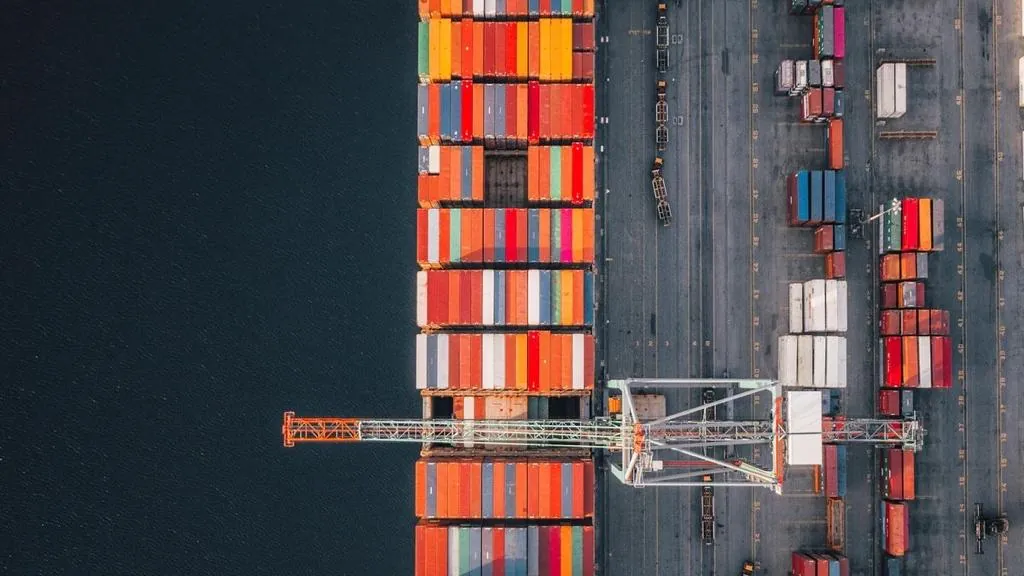
Most ocean freight from the US to Chile moves through ports like Houston, Miami, or Long Beach toward San Antonio or Valparaíso, with transit times generally between 12 and 20 days depending on the route and whether the service is direct or has transshipment stops. Air freight is faster, usually 2 to 5 days, but it only makes financial sense for urgent, high-value, or lightweight cargo.
Duties, taxes, and the US-Chile Free Trade Agreement
Chile applies a flat general tariff of 6% ad valorem on most imported goods, plus 19% VAT (IVA) calculated on the CIF value plus the tariff itself. The US-Chile Free Trade Agreement, in force since 2004, phases out tariffs on goods that qualify under its rules of origin, and many categories are already duty-free for originating products.
To claim that preference, the shipment needs proper origin documentation proving the goods were substantially produced or manufactured in the US, not merely assembled from third-country parts. Without that paperwork, Chilean customs will simply apply the general 6% rate, even if the product would have qualified for duty-free treatment. This is one of the most common and costly mistakes US exporters make when shipping to Chile for the first time.
Customs clearance: what Chile actually checks
Chile's import process runs largely through VUCE, the single-window electronic system for foreign trade documentation, but physical review still happens on a share of shipments. Three areas get the most scrutiny:
- Agricultural and food products: food, seeds, wood packaging, and any plant or animal material face inspection by Chile's agricultural authority (SAG) and can be held or rejected if documentation is incomplete.
- Declared value and classification: the commercial invoice must match the declared value and the tariff classification (HS code) used to calculate duties; mismatches trigger a customs review (aforo) that can add several days.
- Licensed customs broker requirement: for most commercial shipments, Chilean law requires a licensed customs agent (agente de aduana) to file the import declaration; this is not optional for businesses, unlike some simplified courier regimes for low-value parcels.
A customs agent in Chile handles this filing on the importer's behalf and is the party actually accountable to Chilean customs for the declaration's accuracy.
Choosing a freight forwarder for US-to-Chile shipments
Not every US-based forwarder has real operational knowledge of Chilean ports and customs procedures. Before booking, it is worth confirming that the forwarder, or its Chilean partner, can actually handle:
- Direct coordination with a Chilean customs broker rather than a generic regional partner.
- Experience with the specific commodity being shipped, since machinery, food, and chemicals each trigger different Chilean import requirements.
- Clear visibility into which ocean freight schedules call at San Antonio or Valparaíso directly, versus routes requiring transshipment that add a week or more.
A forwarder with weak local knowledge in Chile tends to show up as delays and unexpected storage charges at the port of arrival, not as a line item in the original quote.
A practical cost example
A US manufacturer ships a pallet of industrial equipment valued at USD 25,000 FOB Houston to a buyer in Santiago. With valid US origin documentation under the FTA, the breakdown looks like this:
- Ocean freight Houston-San Antonio: approximately USD 1,200-1,800
- Cargo insurance: approximately USD 60-100
- CIF value: around USD 26,300-26,900
- Import duty: USD 0 (originating goods under the FTA, with proper documentation)
- VAT (19% on CIF value plus duty): approximately USD 5,000-5,110
Without the origin certificate, the same shipment would owe the general 6% duty on top of VAT, adding roughly USD 1,600-1,900 to the total landed cost. That gap is exactly why getting the paperwork right matters more than negotiating a slightly cheaper freight rate.
Frequently asked questions about shipping from the US to Chile
How long does ocean freight from the US to Chile take?
Typically 12 to 20 days from major US ports to San Antonio or Valparaíso, depending on whether the service is direct or includes transshipment stops in Panama or elsewhere.
Do all products qualify for duty-free treatment under the US-Chile FTA?
No. Only goods that meet the agreement's rules of origin qualify, and the importer must present proper origin documentation. Goods that do not meet those rules pay Chile's general 6% tariff regardless of being shipped from the US.
Can a US company ship directly to a Chilean buyer without a customs broker?
The US exporter does not need a Chilean broker to ship the cargo, but the Chilean importer generally must engage a licensed customs agent to file the import declaration, since most commercial imports require one by law.
What is the biggest risk when shipping food or agricultural products to Chile?
Inspection and potential rejection by SAG, Chile's agricultural and livestock service, if phytosanitary or sanitary certificates are missing or incomplete. This risk applies even to processed food products in some categories.
If you are shipping from the US to Chile and want a forwarder who actually knows the ports and the customs process on this end, get in touch with our team before you book the freight.
Shipping to or from Chile?
Free quote, no commitment · We reply within 24 business hours